
From staring at an empty baggage carousel to scrambling for a new flight home, I’ve had my share of travel mishaps.
Good news? Seasoned trips come from simple habits that keep things running smoothly.
Here’s what I learned from solving this common travel problem on the road.
How to Fix Common Travel Problems
1. Lost or delayed baggage
Airlines are solely responsible for Up to $2,175 per passenger For lost, damaged or delayed baggage on international flights, you need to secure your belongings. While travelling, always pack a change of clothes, essential medicines, charger, travel documents and basic toiletries with you. That way, all your important items stay with you while flying.
Choose colorful luggage and add a unique luggage tag or a ribbon – this makes it easy to spot your suitcase on the carousel and prevents someone else from grabbing it by mistake. For ultimate peace of mind, add an AirTag or Tile Tracker to locate misplaced bags. In case of baggage delay, file a report before leaving the airport and keep all receipts for toiletries and clothing that you need to replace for reimbursement.
2. Flight cancellations and delays
Flight cancellations and delays can be one of the most frustrating travel problems, especially since your trip hasn’t even started yet. To reduce the risk of cancellation, make sure you book the flight directly with the airline — it makes communication and rebooking easier. Opt for morning trips, as they are less likely to be affected by cascading delays of earlier flights.
Book airlines with a history of on-time performance and purchase travel insurance that covers cancellations. They cost more up front, but they are worth the peace of mind. Be sure to also download the airline app for real-time flight alerts and updates. per Get a refund for your airfareCheck the airline’s policy on canceled flights to see if you can get all or part of the cost of your ticket refunded
Related reading: Top tips for booking flights to Europe during summer

3. A lost passport or wallet
Keep a calm and clear mind if you lose your passport or wallet. What you should do is file a police report. They are needed for embassy visits and insurance claims. Then make sure to prevent identity theft by Online reporting of lost passportsBy mail or in person. The embassy can issue an emergency travel document for your flight home. Call all credit card issuers and banks immediately to cancel your cards so you don’t have to deal with fraudulent charges.
Before you travel, make sure you have digital copies of your passport, driving license and credit card. Save them to a secure cloud storage so you can access them on your phone Carry a credit card and enough cash when you’re out and about. Leave the rest in a locked safe at the hotel.
4. Navigation and transit problems
Everyone has moments where they get lost in travel. You can embrace it by discovering hidden gems like fragrant bakeries, quiet parks or quirky knick-knack shops. However, it’s also a good idea to have a plan for getting back to your accommodation.
Before leaving, familiarize yourself with the common modes of transportation to your destination. such as large and complex systems Tokyo Metro System It may take some time to figure itself out. See how and where to buy tickets online. Additionally, download an offline version of Google Maps and bring a power bank.
When you feel really lost, go to a safe place like a cafe or shop. From there, you can sit and take a closer look at your map, away from the crowded streets. You can try walking in one direction until you reach a familiar landmark or a main road where you can realign your bearings. If you’re tired and overwhelmed or running late, don’t hesitate to take a taxi. Show the driver your hotel address in their local language.
5. Travel scams
Always do your research before traveling and look for travel tips for your specific destination. You should check the travel advice from Official website to know about newsCrime and general scams at your destination. Some well-known scams include broken taxi meters, fake ticket sellers, and friendship bracelet sellers. Beware of overly friendly strangers, especially when they offer gifts out of nowhere.
When you think something might be a scam, just disengage and walk away. Never hand over important things to strangers and be careful in cluttered locations. A good tip is to use technology to help avoid scams. Check restaurant reviews and taxi fares online to get reliable information.
Check out our guide Scandal in Cuba, Bank scam And Scandal in Paris.
6. Communication barriers
Rural places are some of the best travel destinations for backpackers They provide fresh and unique space You don’t usually see it online. However, they can be difficult to navigate as there may not be many travel tips and information online.
Additionally, language can be a significant barrier in remote areas such as Vietnam’s Ha Giang Province and rural Paraguay. You can still travel to these areas comfortably, if you prepare in advance.
“Hello,” “Please,” “Thank you,” “Excuse me,” “Where is this place?” Learn everyday phrases like and “How much?” This alone can significantly improve your experience. Download Google Translate by installing the language pack. Feel free to use the app to communicate. Communicate using your body through gestures, smiles and gestures — in languages everyone can understand.
Related reading: Advantages of learning a language before you travel
7. Accommodation nightmare
To avoid booking lodging that looks very different from what it did online, do your research three to six months before your trip. Use reputable booking sites that offer customer support and reviews Find photos from previous guests as they are more accurate than the photos posted by the hotel
When you find yourself in a sketchy residence, document everything — take photos and videos of the room. Show management pictures of dirty or unsafe rooms and clearly explain your problem. If they are unhelpful, contact your booking platform. Post these photos and videos online so future travelers can avoid the place
8. Dress mismatches
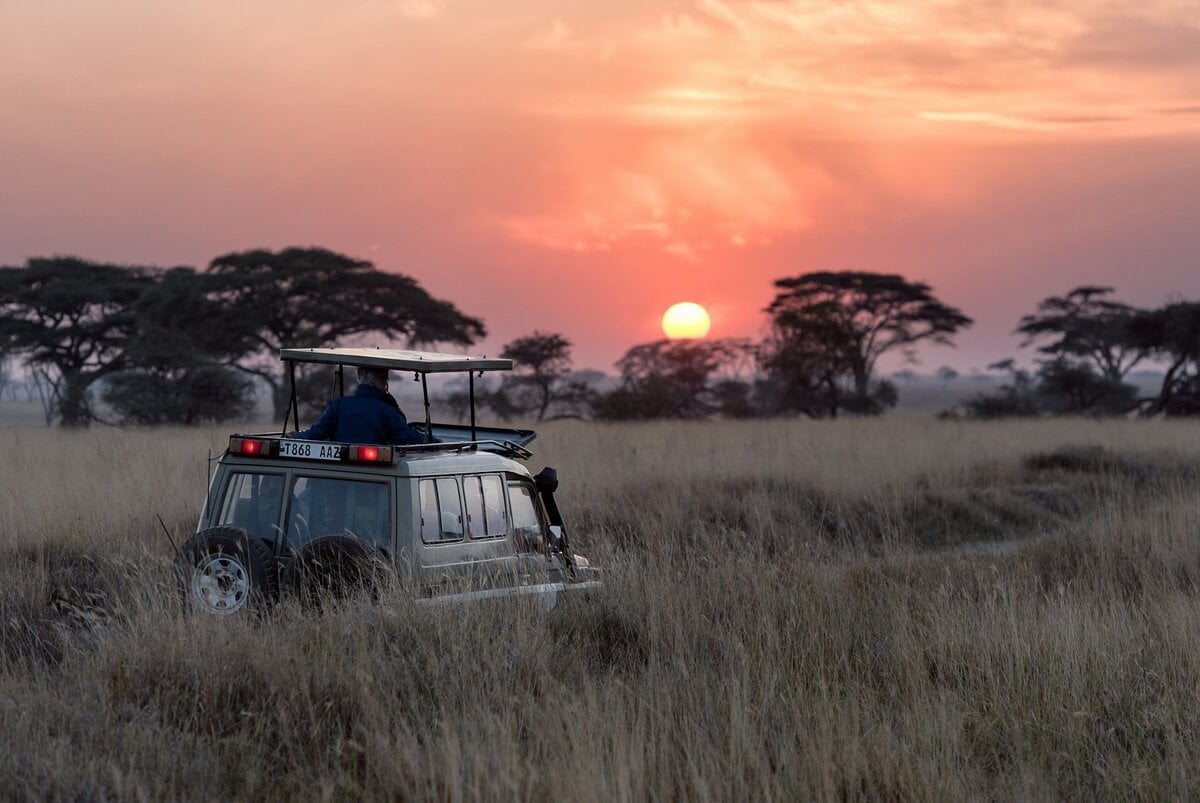
Being unprepared for certain climates or activities can turn your dream destination into a nightmare. For example, going on a safari usually takes 6-8 hours as you ride under the hot sun and along a bumpy road. Bring thin and sleeveless summer clothes for national parks Tanzania’s Serengeti not enough You need to wear certain clothes to stay comfortable throughout the day. Use moisture-wicking materials such as cotton, linen, and the like Merino wool.
For colder destinations, master winter layering. A ski trip will require thicker and harder layers than sightseeing in the city. Avoid buying special gear like ski pants or dive wetsuits at the destination, as prices are usually inflated.

9. Being sick or injured abroad
An unexpected situation that can arise during your trip is getting sick or injured. Before you go on your trip, make sure to get Travel Insurance which covers medical care. Visit your doctor to get any vaccinations and prescriptions you may need for your trip.
around 10% of pharmaceutical products Low- or middle-income countries may be counterfeit or substandard. So make sure to pack a first aid kit with items like pain relievers, bandages, antiseptic wipes, motion sickness medicine and personal medicine. If you need hospitalization, contact your insurance provider for a list of approved local hospitals or clinics. Keep all medical records, reports and receipts for insurance claims.
Related reading: How to Find a Doctor When Traveling Abroad
10. Plan-derailing bad weather
Bad weather can ruin your entire itinerary. When planning activities, you should always hope for the best but plan for the worst. Research the destination’s climate so you know what to expect. No matter the weather, always bring rainy day essentials. Pack a small umbrella and a waterproof jacket. These items do not take up much space but can save you on rainy days. During high-risk periods like the monsoon season, make sure you book tours that allow rescheduling or refunds.
You can also plan indoor options. Make a list of activities you know you’ll enjoy, such as visiting a museum, trying an indoor food market, or visiting a historic building. For example, rainy day activities in Vancouver Includes watching a football gameCatching a show at the Orpheum Theater and dining at the top of Vancouver’s revolving restaurants. You may even enjoy these experiences more than the main activities.
Other activities you can try include taking a local cooking class, visiting a famous cathedral or temple, and trying different cafes and bakeries. Just make sure your safety is a priority, especially for severe weather like blizzards, hurricanes and heat waves.
Related reading: Things to do in Barcelona when it rains
Get ready, enjoy the journey
Many travelers will experience one of these common travel problems. The most important thing is to prepare in advance and keep a level head when they happen. Frame the problem as part of the adventure or as a problem you can solve This can help reduce stress or anxiety you may feel when encountering them.
Remember, these problems are temporary. You are on a trip to enjoy yourself and have fun.